



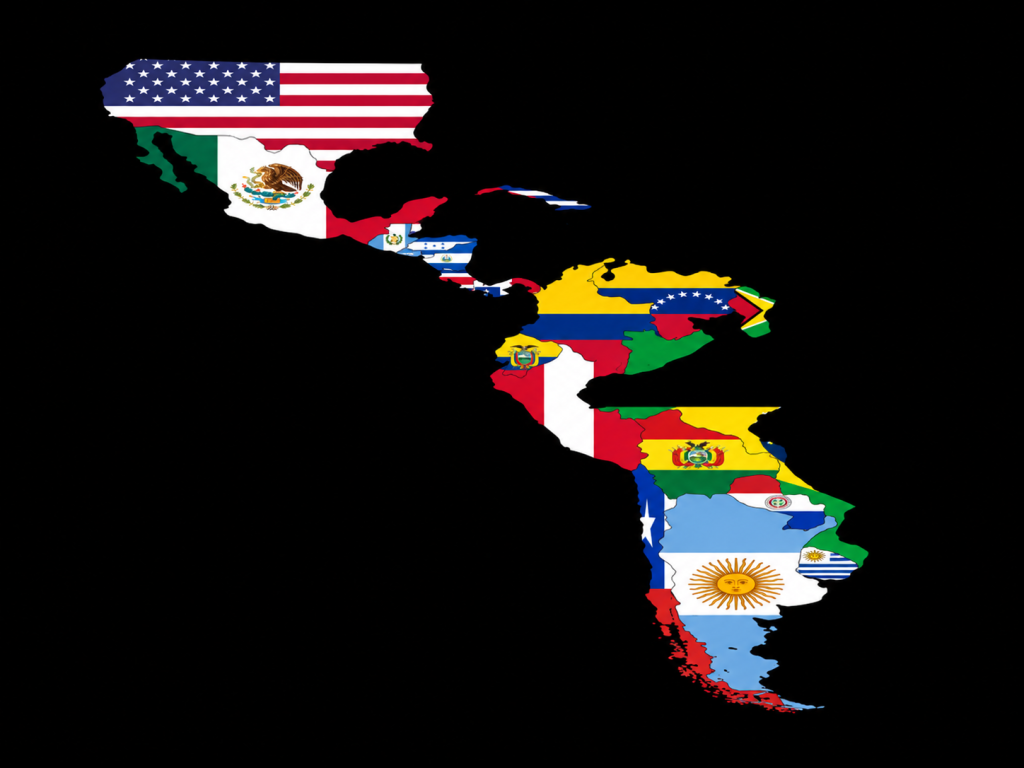
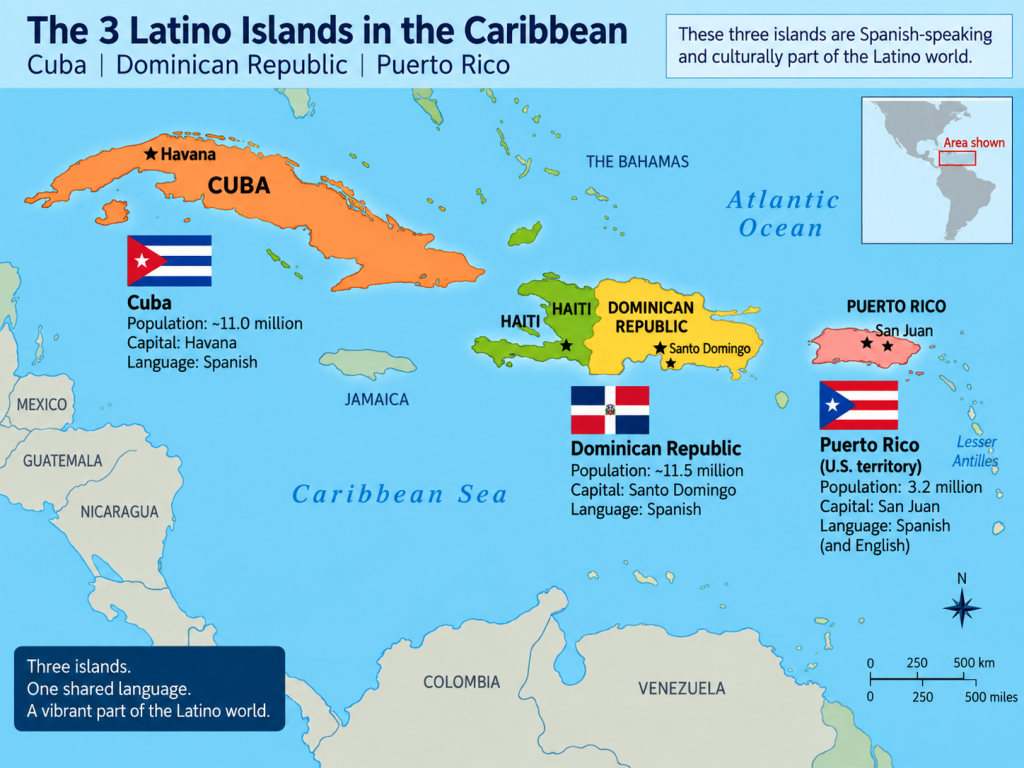
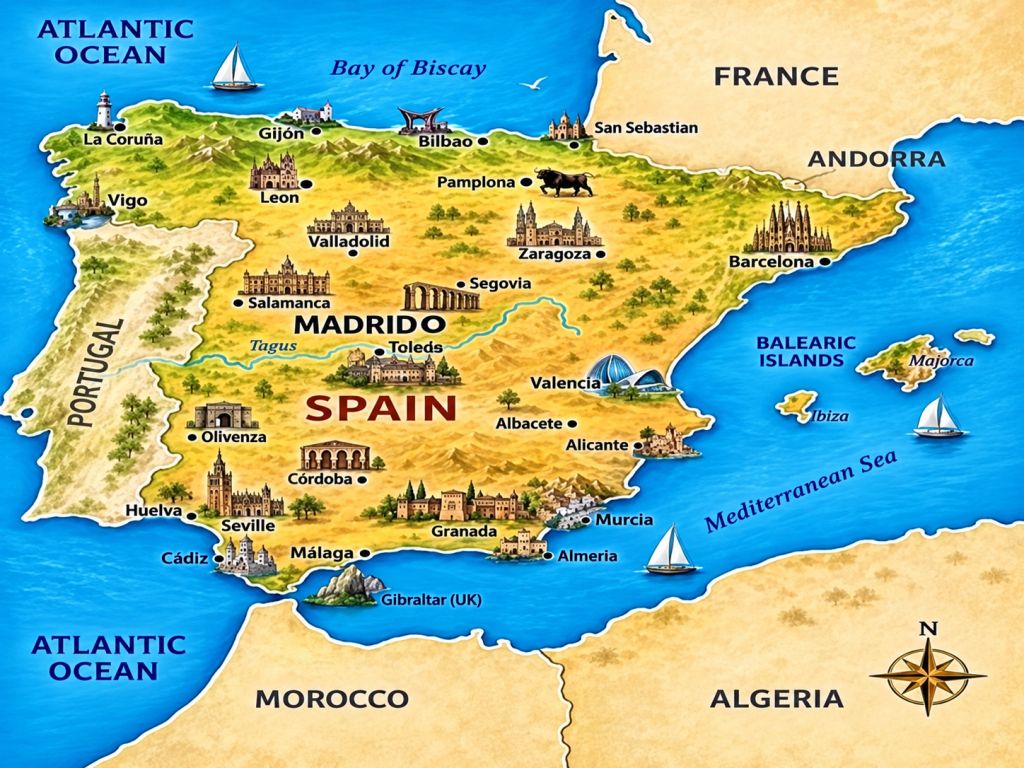
The world population is around 8.3 billion and aging. Out of this, there are 24 countries that include all of Latin America, 3 islands in the Caribbean Puerto Rico, Cuba, and the Dominican Republic- along with 2 European countries, Spain and Portugal, that have a Latino/Spanish/Ibero cultural background and similarities. Add to this the almost 70 million Latinos living in the U.S., and this totals up to about 780 million, which make up 9.4% of the world population, or 1 in 10.
To be clear, while they have similar cultural and mostly language backgrounds, Portugal and Brazil speak Portuguese; they are also different, and as it has been mentioned in previous articles, the Latino consumer and market cannot and should not be seen as a monolithic group.
Most Latin American countries have a younger demographic than the U.S. This is especially true in the U.S., where the average age of Latinos is 8 years younger than the rest of the U.S. population. The U.S. is also home to the second largest Latino demographic, with almost 70 million, and is the second country in the world where Spanish is spoken, second to Mexico. Latinos in the US alone are considered the 4th largest economy on the planet. This growth is creating business opportunities for organizations that are looking towards Latin America for possible call centers to serve this growing Spanish speaking consumer and other operations.
In addition to these growing and changing demographics, there is also a combination of other changes that organizations are facing. There is the growing era of Artificial Intelligence (AI), an aging workforce, a growing skills shortage, and a growing sense of uncertainty. Will organizations create strategies to take advantage of these changes, including the changing demographics? Will they create strategies to market to this growing non-monolithic consumer? Will they create an organizational environment that attracts this growing potential workforce?
Today’s workforce also has a shifting psychology that organizations and their leaders need to be aware of and, in turn, create workplaces that will differentiate them from their competitors. They want to be appreciated, listened to, and working for more than a paycheck. I have defined the type of workplace where this may exist as one that, in the era of AI, organizations and their leaders need to create HI, or human intelligent, workplaces that I define below:
HUMAN INTELLIGENT (HI) WORKPLACE
A Human Intelligent (HI) Workplace is defined as one where leaders model effective leadership behaviors by creating an organizational culture where the workers’ experience is one of being engaged while collaborating with their diverse team members.
It is a workplace where the workforce feels psychologically safe when raising different perspectives, taking risks, being innovative, and/or being creative. It is a workplace where the workforce feels listened to and understood by their leaders. Itis a workplace where the workforce finds fulfillment in the work they do and, in the organization, they work in.
The questions to reflect on and consider is does the above describe my organization? Does your workforce consider your organization a healthy and inclusive place to work? This is particularly important when work has been cited as the 5th leading cause of death due to stress. And for 70% of the workforce, their leader is their biggest stressor. Have you confirmed this with the workforce?
I believe that for organizations to create a HI Workplace, they are going to need effective leaders like the one defined below. The question for you, if you’re a leader, is: does this describe you, would your staff say this describes you? If you’re in Human Resources, does this describe your leaders?
Leadership
“Leadership is the capacity of an individual in a managerial position to positively influence, engage, and motivate their workforce. One where they demonstrate empathy, compassion, listen to understand, rather than respond, is trustworthy, authentic, and creates a psychologically safe environment. One where they create clarity and minimize uncertainty as much as possible during organizational change. In summary, a leader is one who creates an environment where the workforce feels engaged.”
The considerations for organizations and their leaders are to reflect on their decisions when it comes to hiring and retaining this changing demographic and potential workforce and consumer. To be aware of their unconscious biases and to ensure their leaders are creating an engaging, inclusive, psychologically safe, and great place-to-work experience. Because if not it can lead to turnover and has bottom-line implications.
So while some may consider DEI woke or politically incorrect, I consider it a business imperative. The U.S is expected to become a majority-minority nation in the next few years. The demographic wave is here and will continue to have an impact on the nation and organizations everywhere. Organizational culture and leadership- issues that some consider “touchy-feely” or soft skills- have been and will continue to be seen as a differentiator and competitive advantage by those that consider them both a human and business imperative.
Questions to consider-Call to Action:
How is your organization prepared for these changes?
What type of organizational culture do you have?
Is your organization a healthy and great place to work?
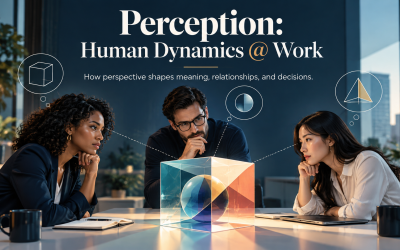
What is the perception of the workforce?
How effective are your leaders?
Are they demonstrating effective leadership behaviors?
Are you taking a systemic approach to these questions and issues?
If you’re not sure or not sure how to address these, consider partnering with someone to help.
Check out our Diagnostic Assessments and get in-depth insights on your organizational needs
GET FREE ACCESS TO THE HIW DIAGNOSTIC
Gain clear insights into your workplace culture, leadership effectiveness, and employee experience. The HIW Assessment helps you identify what’s working, what’s not, and where to focus for meaningful organizationalTurn insight into action.
Discover what drives engagement, leadership, and culture in your organization. development.

0 Comments